Nike invented the Total 90 brand in 2000. In 2025, a Louisiana soccer coach is suing them for using it.
Hugh Bartlett noticed something interesting in the USPTO database. Nike’s federal trademark registration for TOTAL 90 had been cancelled on April 19, 2019. The athletic giant had failed to file a Section 8 Declaration of Use, and the registration died. Bartlett, a New Orleans soccer coach, saw an opportunity. He registered the mark himself in 2022 for apparel and footwear.
In November 2025, Bartlett’s company Total90 LLC filed a trademark infringement lawsuit against Nike in the US District Court for the Eastern District of Louisiana. The complaint accused Nike of infringing Total90’s federally registered trademark by selling soccer products under the same name. Total90 sought an injunction to stop Nike’s sales. Nike responded by calling the lawsuit an extortion attempt, claiming Bartlett had demanded $2.5 million to sell back the registration.
On November 26, 2025, Judge Wendy Vitter denied Total90’s motion for a temporary restraining order. The ruling was not a final decision on the merits, but it signaled trouble for Bartlett’s claims. A preliminary injunction hearing is scheduled for January 8, 2026. Nike’s planned World Cup 2026 product revival hangs in the balance. The sportswear giant has already invested heavily in bringing back the Total 90 line with new colorways and marketing campaigns targeting consumers nostalgic for early 2000s soccer culture.
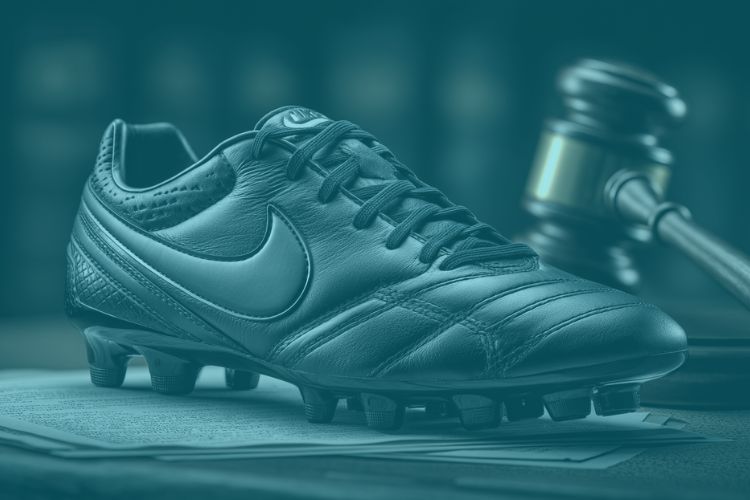
The Legal Battle Over Use Versus Registration
Judge Vitter’s reasoning cut to the heart of trademark law. “Ownership of trademarks is established by use, not by registration,” she wrote. This principle is foundational. The federal registration system creates presumptions and procedural advantages, but it does not create the underlying right. Total90 LLC holds the federal registration. Nike claims something more fundamental: senior use rights dating back 25 years.
Federal trademark registrations require ongoing maintenance. Between the fifth and sixth year after registration, owners must file a Section 8 Declaration of Use proving the mark remains in commerce. Another filing is required between the ninth and tenth year. Miss these windows, and the USPTO cancels your registration. Nike’s registration, filed in 2010 and granted in 2012, would have needed its Section 8 filing between 2017 and 2018. The April 2019 cancellation confirms Nike missed that deadline. Companies that prioritize filing required trademark renewal declarations on time avoid this vulnerability entirely.
Total90 argues Nike abandoned the mark when the registration lapsed. Nike counters that it “permitted the mark to lapse” but never stopped using it in commerce. This distinction matters enormously. A registration can expire while common law rights continue. Judge Vitter found that Total90 had not shown Nike “ceased use or intended to abandon the mark.”
The TRO failed because Total90 could not prove likelihood of success on the merits. The court found Total90 had not established itself as the “senior user,” meaning the first to use the mark in commerce. Nike presented evidence of continuous sales since 2000. Registration alone cannot defeat a prior user who never stopped selling. This principle protects established businesses from losing marks they have used continuously, even if they let their registrations expire through administrative oversight.
Brand Revivals and the Registration Gap
Nike launched Total 90 in January 2000 as a performance soccer cleat line. Stars like Wayne Rooney and Luis Figo wore the boots during their peak years. The shoes became iconic in early 2000s soccer culture. Professional players wore them. Youth players wanted them. The distinctive quilted design and asymmetrical lacing made the cleats instantly recognizable on pitches worldwide. When Nike eventually retired the active performance line, the brand retained cultural value.
Nike’s 2025 revival reimagines Total 90 as lifestyle sneakers. The new versions feature the original quilted upper and asymmetrical lacing, but swap cleated soles for flat rubber. Y2K nostalgia drives consumer demand for 2000s-era designs. Nike has released multiple colorways including metallic silver, orange, white and gold, and bordeaux. Products are selling at Nike.com, Dick’s Sporting Goods, and specialty retailers. Given the breadth of Nike’s trademark holdings, the Total 90 lapse stands out as an unusual gap in their protection strategy.
Why would a company let a valuable registration lapse? Section 8 filings require proof of continued commercial use. The owner must submit specimens showing the mark on actual products or in connection with services. If a product line is dormant, the company may lack current specimens to submit. Some companies let registrations expire during hibernation periods, assuming common law rights provide sufficient protection. This case demonstrates the risk. Others can register during the gap.
Third parties increasingly monitor USPTO records for cancelled registrations. The database is publicly searchable. Anyone can search for “Dead/Cancelled” marks and see which valuable brands have lost their federal protection. The strategy is straightforward: register dormant marks, then approach original owners about licensing or purchase. Some view this as entrepreneurial. Others see opportunism. Nike characterizes Total90’s approach as extortion. Total90 characterizes it as legitimate trademark enforcement. In December 2024, Total90 allegedly approached Nike about a collaboration. By October 2025, negotiations had collapsed. The lawsuit followed in November.
Protecting Your Trademarks Before Problems Arise
The cost of Section 8 filings is minimal compared to litigation. USPTO filing fees run a few hundred dollars per class. A trademark attorney can prepare the declaration and specimen for a modest flat fee. Compare that to the tens of thousands Nike is now spending to defend this lawsuit. If a product line is dormant, consider token use to support specimen requirements. Alternatively, file a Section 8 with an excusable nonuse claim if a legitimate reason exists. Never assume common law rights alone protect valuable brands. Nike may ultimately prevail here, but they are spending legal fees to defend rights they could have preserved with a maintenance filing.
Calendar every maintenance deadline. The 5-6 year window and 9-10 year window are non-negotiable. Missing either one results in cancellation. Use docketing systems or trademark counsel to track filings. Set reminders 12 months before each window opens. A grace period exists, extending six months past the deadline, but it adds $100 per class and introduces unnecessary risk. The grace period is a safety net, not a strategy.
Monitor USPTO records for third-party applications on marks similar to your dormant brands. If someone files on your lapsed registration, opposition proceedings may still succeed. You must prove prior use and no abandonment to prevail. Earlier intervention costs less than litigation. An opposition proceeding runs a fraction of what federal court litigation costs. Proper planning around securing federal trademark registration includes maintaining what you already own.
Nike’s defense depends on proving continuous commercial use since 2000. Keep records. Sales data, marketing materials, website archives, and product photos all support ongoing use claims. Even minimal sales or licensing activity can establish continuity. Without documentation, proving senior use becomes difficult. Nike likely has decades of invoices, catalogs, and advertising materials showing Total 90 products in the stream of commerce. That paper trail may save them.
If you are considering acquiring a lapsed mark, conduct clearance searches that include common law sources, not just the USPTO database. A cancelled registration does not mean the mark is available. The original owner may retain priority through continued use. Total90’s position would be stronger if Nike had truly stopped all commercial activity after 2019. The evidence suggests otherwise.
What This Case Means for Trademark Owners
The January 8, 2026 preliminary injunction hearing will clarify where this dispute is heading. If Nike prevails, the case reinforces that registration is not ownership, and companies with long commercial histories can defend against opportunistic registrants. If Total90 gains traction, it signals that companies cannot let registrations lapse and assume common law rights will shield them from registered mark holders.
Every business with dormant brands or upcoming Section 8 deadlines should watch this case. The outcome will influence how trademark owners approach maintenance filings and how third parties evaluate acquiring cancelled registrations. Nike manages one of the largest trademark portfolios in the athletic industry. Even they face litigation over a lapsed maintenance filing.
Whether you are managing a portfolio with approaching renewal deadlines, considering reviving a dormant brand, or evaluating a cancelled trademark for potential registration, now is the time to assess your exposure. Contact me for a consultation to review your trademark maintenance calendar and ensure your valuable brands remain protected.