A wine sold in cartons and a tequila sold in 750 mL bottles have spent more than five years fighting over a bandit. The wine side had won twice before October 29, 2026, when a federal appeals panel reversed Sutter Home Winery’s summary judgment and sent the case back to the district court.
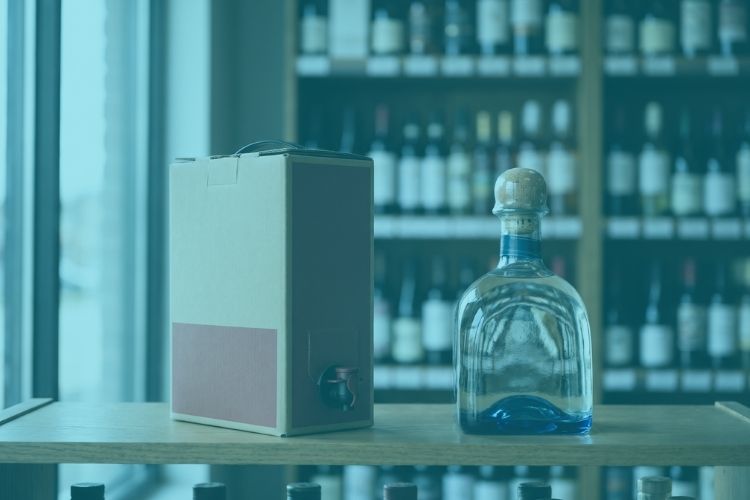
Sutter Home’s Win Returns To Court
The October 29 Ninth Circuit decision in Roar Spirits, LLC v. Sutter Home Winery, Inc. reopens a tequila company’s bid for two federal registrations. Roar, formerly El Bandido Yankee LLC, applied for the marks and brought the appeal. Sutter Home owns the BANDIT registration and defended the judgment it won in the Northern District of California.
One application covers the words EL BANDIDO YANKEE. The other is a composite mark, EL BANDIDO YANKEE TEQUILA COMPANY BLANCO, with a drawing of a figure in a western hat and a bandana over the lower face. Both cover agave liquor in Class 33, the class at the center of the Sutter Home Bandit trademark dispute.
Roar wants those Class 33 registrations for its tequila, and Sutter Home wants a mark it considers too close to BANDIT kept off the federal register. Circuit Judges S. R. Thomas, Koh, and Tung heard argument in San Francisco on October 21, 2026, and ruled eight days later. Their memorandum is unpublished, so it “is not precedent except as provided by Ninth Circuit Rule 36-3.”
The reversal rests on what consumers take from each complete name and on how years of marketplace experience bear on confusion.
Why The Whole Name And The Evidence Mattered
This case shows how trademark registration disputes reach the Board and how they can move on to federal court. Roar filed both applications under its earlier name on June 30, 2020. Rebel Wine Co., LLC, then the BANDIT owner, opposed them, and the Trademark Trial and Appeal Board sustained the opposition for Class 33 on July 18, 2023. Roar sought federal court review on September 19, 2023. A later assignment of BANDIT brought Sutter Home into the ownership chain, and the district court granted it summary judgment on February 18, 2025.
Summary judgment ends a case without a trial when no genuine dispute of material fact exists. “We rarely approve summary judgment in likelihood-of-confusion cases,” the panel wrote. It applied the eight Sleekcraft factors, which include the marks, goods, buyers, sales channels, intent, and actual confusion.
The panel analyzed two of the eight, starting with similarity. EL BANDIDO YANKEE has two more words and four more syllables than BANDIT. YANKEE modifies BANDIDO, and it is neither a common nor a descriptive term for alcoholic drinks. The name also blends English and Spanish, and its key words point to the northeastern United States and to Mexico. A reasonable factfinder, the panel held, could find the marks dissimilar, and that reasoning extends to the composite mark.
When I prepare a likelihood-of-confusion analysis, I compare whole marks, and the USPTO’s guidance on similar marks and related goods lists the measures: sound, appearance, meaning, and commercial impression.
Actual confusion gave the panel its second ground, because the district court had passed over evidence that could favor Roar. The products coexisted for several years. Roar’s CFO declared nearly 30,000 cases of tequila sold from 2021 through 2024, and Sutter Home’s president and CEO declared that Sutter sold over a million cases from 2017 through 2021 and has kept selling alcoholic beverages since. In an Eveready survey, people see a mark and say who they think puts out the product. None of the 112 consumers in this one named Sutter Home as the source of Roar’s tequila. The district court had set that survey aside, and its order notes that participants saw only the word mark. The panel said a factfinder “could find the survey evidence at least somewhat persuasive.”
BANDIT’s registration reaches alcoholic beverages except beers, wording the district court read to include tequila. The products themselves look very different, but the registration inquiry follows the goods as written in the filings.
Two Different Ways To Sell An Outlaw Identity
The district court described Sutter Home as a maker of boxed wines and wine-based seltzers. The Bandit site, which lists St. Helena, California in its footer, presents wines and wine cocktails in lightweight cartons it calls “adventure-ready.”
The carton drives the pitch: Bandit talks about “dinner around the campfire” and “picnics on the beach,” says it is ready for “wherever the spirit of adventure leads you,” and invites customers to throw a carton in a pack and head out. Every line assumes the customer is headed somewhere.
El Bandido Yankee plays the outlaw more literally. The district court called Roar a tequila manufacturer with a single distillery in Jalisco, Mexico, and the brand’s site points to El Viejito Distillery in Los Altos de Jalisco. It lists a blanco, a reposado, and an añejo in 750 mL bottles. The headline reads “Tequila so smooth, it’s criminal,” the company calls itself “modern day bandits,” and another heading says “you’re wanted for a good time.” Those lines read as positioning, and they make a bottle of tequila feel slightly illicit.
Both brands use a bandit name and build separate stories around it. When I read marketing like this, I look at how much work the complete name does. An online listing or a promotion can show EL BANDIDO YANKEE without the bottle or the masked figure, so the three words have to carry the tequila’s story alone. Drop YANKEE and the name loses its twist. BANDIT works the other way: one short English word sits across a range of wines and wine cocktails, with the carton and the outdoor pitch supplying the rest.
An identity built for one drink can also run into a brand selling another. Read about another naming conflict between spirits brands, which involved a whiskey distillery and canned vodka cocktails. A company picking a name is picking the commercial identity it plans to build, so the evaluation has to cover that identity along with the words.
Test A Beverage Name Before Packaging Commits It
Write down what you plan to protect. List the word mark, any separate logo, the products you will launch, and the products you could plausibly add. A tequila brand that might one day sell canned cocktails should say so at this stage. Then list the name’s meaningful parts, its sound-alikes, and its translations, because a Spanish word and its English counterpart can point to the same idea.
That list sets the scope of your search. USPTO clearance guidance points to federal applications and registrations, state records, and internet evidence of common-law use, and it asks you to look for similar marks along with exact matches. The Trademark Official Gazette is worth checking too, since it lists marks that have received preliminary approval. For a beverage name, read the goods descriptions in each record and look across related alcoholic products.
Web addresses get a smaller role in my review. An open domain tells you the address is free, and this article on why an available domain leaves trademark questions open explains how far that answer goes.
When I review a proposed name, I put each possible conflict into a written comparison that records wording, meaning, goods, and likely sales channels. An added geographic or descriptive word goes into that comparison as something to assess. Its value depends on what the word means and how it changes the whole name, so I avoid treating any addition as a formula. The written version also gives you something to revisit when the product line grows.
Plan your records at the same time. Once the brand starts trading, save dated labels, sales and distribution records, and relevant customer communications, so a later analysis can test whether buyers had a real opportunity to be confused. If a dispute puts consumer perception at issue, talk to a survey expert about design, audience, and which mark respondents will see, rather than relying on informal customer feedback.
The search and the comparison lead to one decision before you commit: proceed with the name, change the proposal, or get advice on a specific conflict.
Make The Naming Decision While It Is Still Flexible
A name is easiest to change while it exists only on paper. If a packaging order, product listing, or promotion is coming up, settle the name before it goes out. Once labels are printed and listings are live, a change means redoing work you have already paid for.
I help business owners search federal, state, and common-law sources, assess potential conflicts, and prepare a registration approach, so your decision rests on what the records show. I work personally with every client through that process, and you get a full report of what I find.
Gather the proposed name, your intended products, and any conflict you already know about, then contact me to discuss your proposed brand.