On February 20, 2026, a federal judge in Atlanta closed the book on the trademark infringement lawsuit between Outkast’s holding company and a masked electronic dance music duo who had been performing under the name “ATLiens” since 2012. The case was dismissed with prejudice, meaning Outkast can never refile it. After 18 months of litigation, they settled on confidential terms rather than risk a verdict, and the underlying problem took 25 years to create.
Outkast, the Atlanta rap duo of André 3000 and Big Boi, coined “ATLiens” as a portmanteau of “Atlanta” and “aliens” for their second studio album, ATLiens, released August 27, 1996 on LaFace/Arista Records. The album debuted at number two on the Billboard 200, went certified double platinum, and turned the name into part of Atlanta’s cultural vocabulary.
The defendants are a different kind of act: a Las Vegas-based entity called ATLiens Touring, Inc., representing an anonymous masked dubstep duo who perform with chrome face masks and red illuminated eyes. They formed in 2012, claim first commercial use as of September 1, 2012, and in 2020 registered “ATLiens” as a federal service mark (Reg. No. 6,136,315) covering music composition, production, and live concerts in Class 041.
Outkast’s holding company, High Schoolers LLC, filed a 10-count complaint on August 20, 2024 in the U.S. District Court for the Northern District of Georgia, Case No. 1:24-cv-03690, alleging trademark infringement, dilution, unfair competition, Georgia common law infringement, and deceptive trade practices. The parties reached a confidential settlement shortly before the dismissal, with a formal agreement due by March 15, 2026.
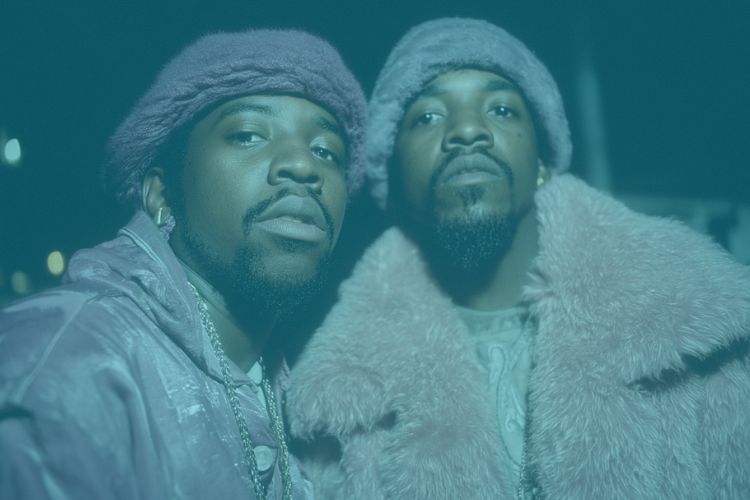
Twenty-Five Years Without a Registration
Outkast coined “ATLiens” in 1996 but did not file trademark applications until June 2, 2021, when High Schoolers LLC submitted five applications, including Serial Nos. 90748790 and 90748879. As of the settlement date, every one of those applications is still pending at the USPTO. ATLiens Touring, meanwhile, filed on February 18, 2020, received Registration No. 6,136,315 on August 25, 2020, and held a live registration for more than a year before Outkast even applied.
That timing gap reshaped the legal landscape. Without a federal registration, Outkast lacked constructive notice (meaning third parties aren’t legally presumed to know about the mark), the presumption of nationwide ownership, and the enhanced remedies available under the Lanham Act. Common law rights from decades of use are real and enforceable, but they don’t carry the same weight as a registration certificate. The EDM duo’s registration gave them a presumption of validity that Outkast’s cultural dominance couldn’t automatically overcome.
High Schoolers LLC responded with the full arsenal: trademark infringement, dilution by blurring, unfair competition, Georgia common law infringement, and deceptive trade practices. They sought a permanent injunction, an accounting of profits, treble damages, destruction of infringing materials, and attorneys’ fees. The dilution claim was particularly interesting because “ATLiens” is a coined portmanteau with no meaning outside Outkast’s brand, and famous marks get protection against dilution even without direct consumer confusion. But proving fame isn’t automatic, even for a double-platinum album, and those questions are now moot. The dismissal with prejudice closes the case permanently, though the confidential settlement leaves open whether the EDM duo will rebrand, operate under license, or pay damages.
This dispute belongs alongside other high-profile disputes between musicians over trademarked names where the registration gap created a fight that early filing would have prevented.
The Music Industry’s Recurring Name Problem
The Drifters, the Beach Boys, and Stone Temple Pilots all fought over who had the right to use a band name in commerce. Electronic music makes this worse because DJs and producers frequently pull names from existing hip-hop, rock, and pop culture without conducting any clearance search, and the legal consequences tend to surface years after the branding decisions are made.
In this case, the overlap between the two acts was uncomfortably tight. Both have roots in Atlanta’s music scene, both operate in the same industry, and both built identities around space and alien imagery. The EDM duo’s defense rested on independent use since 2012 and their valid federal registration: they didn’t copy Outkast, they built their own career under a name they legitimately registered. That’s a harder position to dismiss than pure bad-faith copying, and it explains why the case dragged on for 18 months rather than settling immediately.
ATLiens Touring’s commercial footprint made enforcement even more complicated. They had collaborated with Skrillex, RL Grime, Diplo, and Bassnectar, played major festivals, and built a recognizable fan base with its own commercial history. Outkast wasn’t trying to stop a fly-by-night act from cashing in on their name. They were trying to shut down a functioning brand.
The chrome-face-mask aesthetic added another layer. Outkast alleged it could lead fans to believe the EDM duo was somehow connected to them, which in trademark law feeds an initial interest confusion argument: consumers drawn in by an apparent brand connection, even if they eventually learn the acts are unrelated. Whether that argument would have succeeded at trial is now an open question, but the allegation shows how far-reaching confusion claims can become when two acts share a name, an aesthetic, and a city’s cultural identity. For artists watching this play out, registering a band name as a federal trademark early is the only reliable way to cut off these disputes before they start.
Register Before Someone Else Does
If Outkast had filed a trademark application in 1996, when the album dropped, or even in 2010, when streaming began reshaping music industry economics, the EDM duo’s 2020 application would have run into an existing registration during USPTO examination or been opposed immediately. Instead, Outkast filed five applications in June 2021, all still pending, while the EDM duo already held a live registration.
That’s an especially painful outcome because “ATLiens” sits at the top of the Abercrombie spectrum. It’s a fanciful mark, a coined portmanteau that didn’t exist before Outkast created it. Under trademark law, coined terms and made-up words carry the strongest available protection because no one else has a legitimate reason to use them. But that strength only works if you register it, and a fanciful mark without a registration is still harder to enforce than a weaker mark with one.
Monitoring is the other failure in this timeline. The EDM duo used the name publicly from 2012 through 2024, twelve years, before High Schoolers LLC filed suit. Trademark monitoring services flag new USPTO filings and common law uses as they appear, and had Outkast been monitoring, the 2020 application would have surfaced as a conflict within weeks of filing. Instead, the duo had over a decade to build collaborations, festival history, and commercial infrastructure under the name before anyone challenged them.
Federal trademark registration for a single class costs $250 to $350 in USPTO filing fees depending on the application type. My full-service registration, covering a search, phone consultation, filing, and monitoring through registration, runs $1,195 plus government fees. Compare that to 18 months of federal litigation: discovery, depositions, expert witnesses, and attorneys billing by the hour before a confidential settlement that may or may not have covered the legal fees. Album names, tour names, coined terms, signature phrases: if it identifies your brand in the marketplace and you’d care if someone else used it, it belongs on the register.
Don’t Wait Twenty-Five Years
The Outkast case proves that fame alone doesn’t protect a trademark. One of the most recognizable names in hip-hop history spent 25 years unregistered, and that gap gave a masked EDM duo enough room to file first, register the mark, and build a career on it. A double-platinum album and three decades of cultural significance weren’t enough to prevent the fight. They barely guaranteed a win.
I work with artists, businesses, and brand owners to secure trademark protection before conflicts arise. My process starts with a search to identify potential conflicts, followed by a phone consultation to review the results, then a full USPTO filing. I track the application through examination and handle non-substantive office actions along the way.
If you’ve built a brand, coined a name, or created something worth protecting, don’t assume your reputation is enough. Contact me for a consultation and let’s get your trademark on the register before someone else does.