Silas Wilson released a new single under the name Ovrkast. on September 10, 2026. Six days later, the company that holds OutKast’s trademarks asked a federal court in Georgia to stop him from using that name and to rule that he had already agreed to give it up.
The Lawsuit Puts Ovrkast’s Artist Name In Play
High Schoolers, LLC filed High Schoolers, LLC v. Wilson on September 16, 2026, in the U.S. District Court for the Northern District of Georgia, where Judge Eleanor L. Ross is presiding. According to the filed complaint, André Benjamin and Antwan Patton, known as André 3000 and Big Boi, formed High Schoolers to hold the OUTKAST marks, and the company sued in its own name. Wilson, an Oakland-raised rapper and producer, is the defendant.
The two marks differ by two letters. OUTKAST has identified the duo since 1993, by the company’s account. OVRKAST is the name on Wilson’s releases and shows, including a July 10, 2025 performance in Atlanta that the complaint cites. An order against the name would force him to rebrand everything he has built under it.
The complaint tells the rebrand story this way: High Schoolers sent Wilson a cease-and-desist letter on June 18, 2025, and the negotiations that followed ended with Wilson agreeing to perform as OVERKXST by July 15, 2026. The complaint also says Wilson refused to sign the final settlement document and, on July 13, 2026, asked to use one of two other names instead. In a since-deleted post on September 23, 2026, reported by Complex, Wilson said he never signed any agreement, that the talks were verbal, and that he had asked politely for a name that would work.
High Schoolers wants a permanent injunction against OVRKAST and any confusingly similar name, Wilson’s profits, damages it says should be enhanced for willfulness, attorney fees, enforcement of the claimed settlement, and destruction of merchandise and promotional material carrying the name.
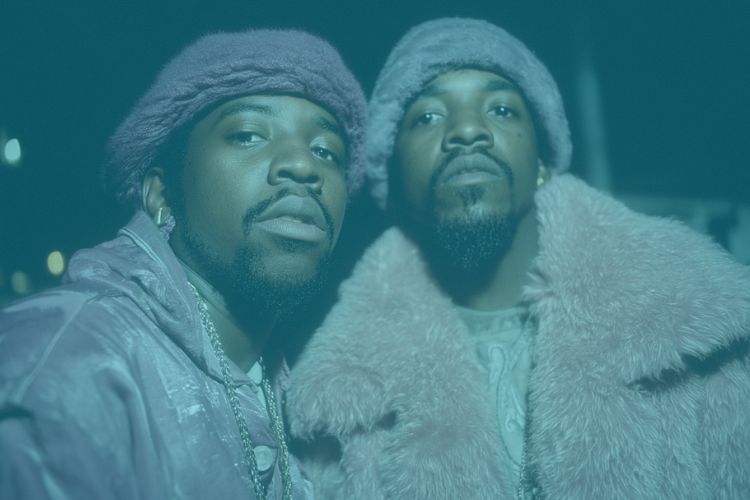
What The Court Must Decide About The Names And The Claimed Deal
The trademark claims start from the federal OUTKAST registrations the complaint lists for music recordings, clothing, and a music website. High Schoolers calls three of them incontestable, a status that narrows the grounds anyone can use to attack them. Registration gives the company a presumption of valid rights for the listed goods and services, but it still has to show that Wilson’s use is likely to cause confusion.
Likelihood of confusion asks whether ordinary buyers would probably believe two products share a source or an approved connection. When I compare two marks, I start with how they look and sound, then weigh how closely the goods and the buyers overlap. Both names have seven letters, open with O, end in KAST, and identify rap music sold on the same streaming services.
For evidence of real confusion, the complaint points to a July 9, 2025 Rolling Stone interview in which Wilson described people reading Ovrkast as OutKast, and it calls that an admission. A court will ask whether those listeners went on to believe OutKast made or endorsed his music, because trademark law targets mistakes about source and sponsorship.
The complaint also pleads dilution, a claim that can succeed without any confusion. Under federal law, High Schoolers must show that OUTKAST was widely recognized by the general public before Wilson adopted his name and that OVRKAST blurs or tarnishes it.
On the breach of contract claim, High Schoolers says Wilson’s counsel asked on April 7 for the July 15 deadline and said a final agreement could follow, that it accepted and sent the finished document on April 10, and that a binding deal existed from that date. Courts can enforce a settlement negotiated by counsel before anyone signs when the parties agreed on every material term and did not make a signature a condition of being bound, so the wording of the April correspondence will sit at the center of this claim.
Unsigned talks can keep a naming conflict alive for years: FKA twigs discussed coexistence with an older act called The Twigs in 2013, no signed deal followed, and counterclaims filed in 2026 now put her modified stage name at risk.
The docket’s last public entries, dated September 17, 2026, include a request that Wilson waive formal service. If he returns the waiver on time, his answer is due 60 days after the request was sent, instead of the 21 days that apply after formal service.
Why An Artist Name Reaches Far Beyond A Record Cover
A stage name is how an audience finds a musician. The complaint lists the places OVRKAST appears: recordings on YouTube, Spotify, and Apple Music, a Bandcamp store, social accounts, a website and domain, live shows, and merchandise sold at those shows. Every play count, follower, and search result tied to Wilson’s work runs through that one name.
High Schoolers says OUTKAST stands for more than three decades of music and merchandise, six Grammy Awards, and more than 25 million records sold. Wilson needs the same reach for his own work, and on September 23, 2026 he described himself as an artist in the middle of a rollout.
Changing a name during a rollout means relabeling or relinking streaming catalogs, steering listeners from the old spelling to the new one, reprinting promoter billing, and writing off leftover merchandise. Credits on collaborations, playlist placements, and press coverage stay tied to the old spelling for as long as they stay online. Those ordinary rebrand costs give any working artist a reason to fight over which replacement name they have to live with.
High Schoolers has fought over a name before, in the earlier trademark fight over the ATLiens name, when it sued a masked electronic duo on August 20, 2024, over a word taken from OutKast’s 1996 album. That duo held its own federal registration before OutKast applied, and the case ran 18 months before settling on confidential terms and being dismissed on February 20, 2026. Here, High Schoolers holds registrations for the group’s own name that date back to 2002.
The Ovrkast case adds a demand the ATLiens fight never had: alongside the usual infringement claims, High Schoolers asks a court to hold Wilson to a specific replacement name, OVERKXST, and to the deadline that came with it.
Clear The Name And Write The Exit Terms Before A Launch
Name clearance belongs before the first release, while the name still exists only on paper. When I review a proposed artist name, I search USPTO records and then the places musicians actually compete: streaming services, Bandcamp, social handles, ticketing sites, and merchandise stores. I also test variations in spelling and sound, since a dropped vowel still reads like the original. For someone who also produces, I check producer credits and features, because that name travels through other artists’ releases too. Those steps come first in any plan to trademark a band name, and they apply just as much to a solo stage name.
A close result leaves three realistic choices: pick another name, negotiate with the owner, or go ahead with the risk documented and understood. Unregistered use and famous marks can block a name that looks open on the federal register, so the search has to reach past it before you decide.
If you negotiate, write terms that leave nothing to argue about later. A name-change agreement should state:
- The exact replacement name and any approved spellings
- The phase-out date, and whether it covers archived releases or only new ones
- Every channel covered, including streaming profiles, social handles, domains, merchandise, and third-party listings
- Notice and cure periods for a missed deadline
- Whether either side is bound before both sign
Once the terms are final, assign one person to each channel, update the platforms that feed streaming and search first so listeners can follow the new name, keep a dated record of every change, tell distributors and collaborators the date new credits switch, and set a plan for leftover physical merchandise.
After the launch or the switch, set alerts for similar names in your field and save dated captures of your own use, because first-use dates and marketplace evidence decide priority fights years later.
Protect The Name Before The Dispute Sets The Terms
An artist name gets harder to change with every release, profile, and shirt it touches. Wilson now faces a possible rebrand in the middle of a rollout on a timetable a federal court may set.
When I help an artist or business with a name, I start with a full clearance search and a written opinion on the risks it turns up, then prepare and file the federal application myself. If a demand letter arrives or a name change is on the table, I review the rights on both sides and help draft terms that spell out what each party must do and when.
If you are choosing a stage name or brand, or you have received a letter about one you already use, contact me to discuss your trademark options before someone else’s deadline becomes yours.